


MetroNovel - Let Stories Shine
LITERIE
I spent time with MetroNovel as a mobile reading app, and my first impression was that its appeal depends less on complicated tools and more on how easily it puts serialized fiction within reach. It belongs to the Books & Reference category, comes from LITERIE, and is free to install, although individual in-app purchases range from $2.99 to $99.99. That pricing detail matters because the basic entry point feels approachable, while readers who become invested in longer stories should pay attention to how access is handled before spending.
The app is aimed at people who enjoy discovering stories in short sessions rather than sitting down with a traditional ebook from beginning to end. I found it most natural to use when I had a few spare minutes: during a commute, while waiting for an appointment, or at the end of the day when I wanted something lighter than a full novel. It is rated Teen, so it is better suited to older readers and teenagers than to young children. With over 100 thousand installs and an average rating of 3.7 from around 2.4 thousand ratings, it has attracted a noticeable audience, though the rating also suggests that the experience will not suit everyone equally.
How a connected reading routine feels
The central strength of this app is the immediacy of online reading. I can open it with the intention of finding something new, browse for a story, and begin reading without first organizing a personal library or transferring files. That makes the service feel closer to a continuing stream of fiction than to a static bookshelf. For readers who like discovering unfamiliar authors and following stories as they develop, that sense of movement is more important than a large set of traditional reading controls.
Connectivity shapes nearly every useful moment. A reliable connection makes browsing feel straightforward, helps story pages load when I want them, and reduces the interruption between choosing a title and reaching the next chapter. The experience is especially convenient when I am at home or using a stable mobile connection. In those conditions, the app works well as a quick escape: I can read a little, stop, and return later without carrying a physical book or searching through several separate reading services.
That convenience comes with a trade-off. MetroNovel is not the same kind of product as a reader built mainly for books that I already own. A conventional ebook app is usually strongest when I have downloaded a file, adjusted its layout, and want dependable access to that particular book. Here, the connected service model is part of the attraction. If my connection is weak, the experience becomes less predictable, and that affects not only reading but also the process of finding what to read next.
Related News

Why WhatsApp Messenger Still Makes Everyday Communication Feel Easy

Jurassic World: The Game Is the Better Dino Tycoon for Strategic Players

Threads in Real Life: Who Should Join, Lurk, or Leave

How SHEIN Turned Shopping Into an Endless Content Feed

How to Make Fortnite Feel Smarter on Mobile

Should You Switch to Microsoft Outlook on Mobile?
I would not choose this app for a long flight, a remote camping trip, or any situation where I need guaranteed access to a specific story without relying on a network. I also would not treat it as a replacement for a dedicated ebook library. Its better use is as an online doorway to ongoing fiction, especially when I am comfortable reading in places where connectivity is normally available.
Why short mobile sessions suit it
On a phone, the format makes sense because reading can fit around interruptions. I can read a section while standing in a queue, pause when someone needs my attention, and return to the story later. This is a different rhythm from reading a printed novel for an uninterrupted hour. The app is at its best when I accept that rhythm instead of expecting a completely self-contained offline book experience.
A realistic everyday example is an evening commute. I might open MetroNovel before leaving, select a story I have already been following, and read until I reach my stop. If the train moves through areas with inconsistent reception, the useful habit is to avoid waiting until the exact moment I want to read before opening the story. Checking the current reading position while the connection is stable can reduce frustration later, although I would still avoid assuming that every part of the reading experience will remain available without a network.
Gallery
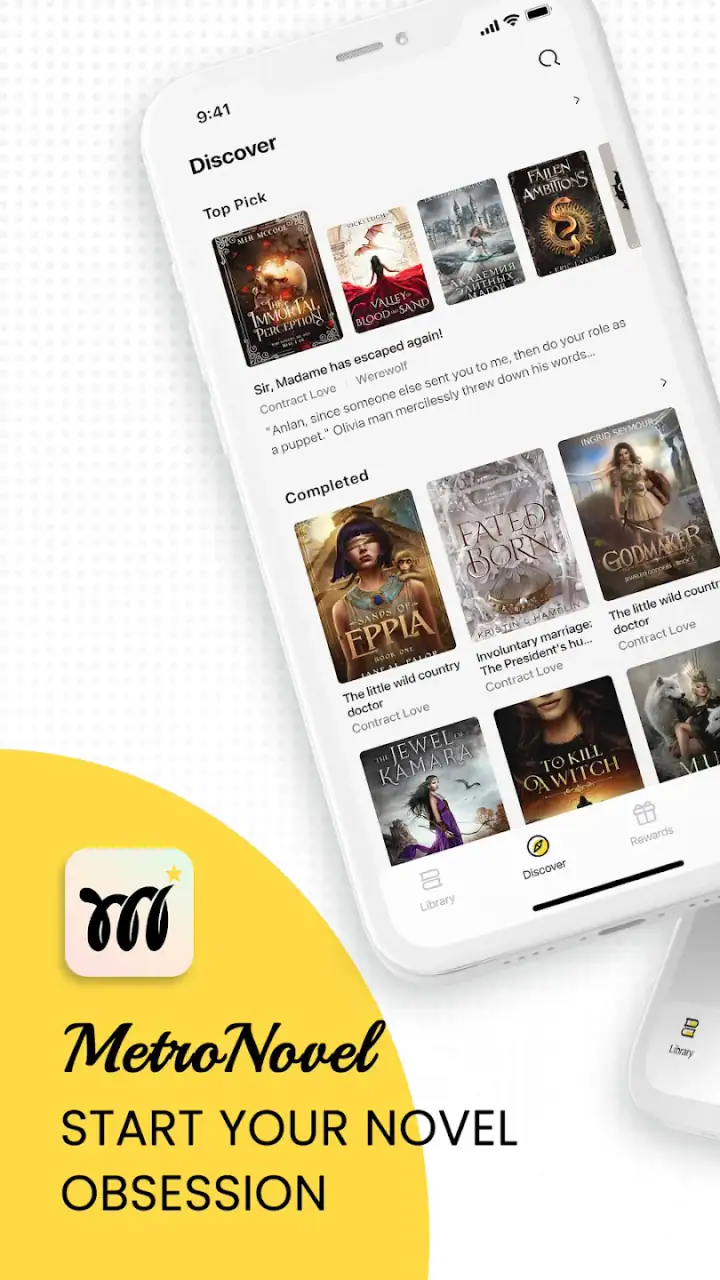
That same scenario reveals an important limitation: mobile reading is not only about screen size or comfort. It is also about timing. If I am rushing between places, a loading delay feels more disruptive than it would at home. The app rewards a little preparation, particularly when I know I will be moving through areas with unreliable service. Readers who dislike planning around connectivity may prefer a conventional reader with books stored locally.
Another useful habit is to separate discovery from reading. When I have a strong connection, I can browse and decide what deserves attention. When I am already in a weak-signal situation, I would rather continue with a story I have selected than spend that moment searching through new titles. This small change makes the service feel less fragile because I am not asking it to perform every task at once.
What happens when the connection is unreliable
The most noticeable friction appears when the network changes unexpectedly. A page that opened quickly at home may take longer on mobile data, and a reading session can lose its smoothness if the app needs to reach the service at the wrong moment. I found that this is less irritating when I treat MetroNovel as a connected reading platform from the start, rather than expecting it to behave exactly like a downloaded ebook.
My practical recovery approach is simple: stop repeated tapping, wait for the connection to stabilize, then reopen the reading area rather than rapidly switching between several screens. Repeated retries rarely make a weak signal stronger, and they can make it harder to tell whether the problem is temporary loading or a genuine interruption. If I am in a hurry, I would switch to another locally available activity and return when the connection is better instead of turning a short reading break into a troubleshooting session.
It is also worth remembering where a failure occurs. If browsing is slow, the problem may affect discovery more than the story I was already reading. If the reading screen itself cannot refresh, the interruption is more serious because it stops the main activity. This distinction helps me decide whether to wait, try another network, or simply read something else for the moment.
I would be cautious about starting a new story immediately before entering a low-connectivity area. New discovery is the part most likely to depend on current access to the service, and it is not a good plan to assume that an unfamiliar title will behave like a book already open on my device. A better workflow is to choose the next story while connected and begin reading before leaving that stable environment.
There is another kind of recovery that concerns spending rather than connectivity. Because the app is free to start but includes paid items, I would pause before making a purchase during a rushed or interrupted session. If a page has not loaded properly, I would not repeatedly press a purchase-related control simply because I am unsure whether the previous action registered. Waiting for the interface to settle is a small but sensible safeguard when the network is unstable.
Using mobile data without wasting attention
MetroNovel is a better fit for data-conscious readers when they use it deliberately. I would begin reading on Wi-Fi when possible, especially if I plan to browse for a while rather than continue with one selected story. Browsing can encourage longer sessions because every new title creates another reason to keep looking. Setting a personal stopping point is useful not only for data use but also for avoiding the feeling that a short break has quietly become a long scrolling session.
My preferred routine is to discover stories at home, decide which one I actually want to read, and use mobile data mainly for focused reading away from Wi-Fi. That approach reduces unnecessary exploration on a cellular connection. It also makes the app feel calmer: I am opening it with a purpose instead of repeatedly loading pages simply because I have a spare minute.
I would also watch battery and signal conditions together. A weak connection can make a phone work harder while providing a less satisfying reading session, particularly if I am outdoors or moving quickly between coverage areas. When the phone is already low on power, I would choose a shorter session and avoid extended browsing. A printed book or a locally stored ebook is the more dependable option for a long period away from charging and stable service.
Readers with limited data plans should treat the free price carefully. Free installation removes the initial cost barrier, but it does not mean every part of the experience is cost-free. The app includes in-app purchases priced from $2.99 to $99.99 per item, so I would decide in advance whether I am only sampling stories or whether I am willing to pay for continued access. The higher end of that range makes it especially important not to purchase impulsively just because a story has become engaging.
A useful personal rule is to wait until I have read enough of a story to know that I genuinely want to continue before spending. That does not guarantee every purchase will feel worthwhile, but it prevents the common mistake of paying early for a title that loses my interest. I would also review each purchase screen carefully and keep track of what I have already bought, particularly if I read several stories at the same time.
How it compares with familiar reading alternatives
Compared with a standard ebook reader, MetroNovel feels more discovery-led and more dependent on an online connection. A traditional reader is usually the better choice when I already know which book I want, need dependable access in places without service, or care deeply about maintaining a personal collection of files. It also tends to suit readers who want to avoid purchase decisions during the reading process.
Compared with a general web search for free fiction, this app offers a more focused environment. I do not have to move between unrelated pages or organize every story manually from the beginning. The trade-off is that I am working within MetroNovel’s own reading and purchasing model. That can be convenient, but it gives me less of the open-ended control I might have when collecting books from multiple sources.
Compared with a subscription-based reading service, the free starting point may feel less demanding at first, while the item-based purchase range requires more attention to individual decisions. A subscription can be easier for someone who reads widely and prefers one predictable payment structure. MetroNovel may be more appealing to someone who wants to sample online stories and decide title by title, provided that the purchase path feels acceptable to them.
I would skip it if my priorities are advanced library management, permanent local access, or a completely uninterrupted reading experience in poor-signal locations. I would also skip it if I dislike serialized storytelling or feel frustrated when a reading service encourages me to make repeated access decisions. The app is more convincing for readers who enjoy discovering fiction in small portions and do not mind that connectivity is part of the routine.
Who will get the most from the app
The strongest audience is a teenager or adult who reads primarily on a phone, enjoys trying unfamiliar stories, and normally has Wi-Fi or dependable mobile service. The Teen content rating gives families a useful starting point, but I would still encourage parents and guardians to consider whether the app’s story themes and purchase model fit the individual reader.
It also suits people who have irregular schedules. Someone who rarely has time for a full chapter in one sitting may appreciate being able to turn a short wait into a reading session. The key is to accept interruption as normal. This is not the ideal app for someone who wants every session to feel like a carefully controlled book-reading environment.
The developer is LITERIE, and the current version is 1.5.4. It supports devices running Android 6.0 or later, which makes it accessible to people using older compatible phones as well as newer devices. Even so, I would judge the experience on the actual phone and network I plan to use. A technically compatible device does not automatically provide a comfortable screen, strong battery life, or stable reception.
The app was released on September 20, 2023, and its audience has grown beyond a small experiment, with more than 100 thousand installs. Its 3.7 average from roughly 2.4 thousand ratings feels consistent with a service that can be enjoyable in the right conditions but may frustrate readers whose expectations come from offline ebook apps. The 561 written reviews add context for anyone deciding whether the connected model matches their habits; I would pay particular attention to comments about reading continuity and purchases rather than judging the score alone.
My final connection-focused verdict
MetroNovel works best when I use it as an online fiction companion, not as a universal replacement for every kind of reading app. Its strongest moments come from quick discovery and flexible mobile sessions, especially when I have a stable connection and a clear idea of what I want to read. The experience becomes less attractive when I am traveling through dead zones, managing a strict data allowance, or looking for books that remain reliably available without network access.
I like the app’s low barrier to entry and its fit for short, everyday reading breaks. I also appreciate that it can turn an ordinary wait into an opportunity to follow a story. At the same time, the free installation should not hide the need for careful spending decisions, and the purchase range means I would not hand the phone to a child without discussing in-app purchases first.
My recommendation is conditional but positive: try it if you enjoy serialized online stories, usually stay connected, and are comfortable deciding how much you want to spend on individual titles. Before relying on it during travel, test your personal routine at home, choose a story in advance, and see how well the app fits your connection and attention span. If that preparation feels like unnecessary work, a conventional ebook reader will probably serve you better.
The deciding factor is not simply whether you enjoy reading; it is whether you enjoy reading as a connected mobile habit. For that specific reader, MetroNovel can be a convenient and engaging choice. For someone seeking a quiet, permanent, offline library, I would recommend looking elsewhere.
FAQs for MetroNovel - Let Stories Shine
What is MetroNovel – Let Stories Shine?
MetroNovel – Let Stories Shine is a mobile reading platform focused on serialized fiction and online novels. After opening the app, readers can browse stories by genre, explore recommendations, and follow ongoing series chapter by chapter. Its catalog generally includes romance, fantasy, drama, adventure, and other popular categories, making it suitable for users who enjoy discovering new authors and reading regularly on a phone or tablet.
Is MetroNovel free to download and use?
The application can generally be downloaded without an upfront purchase, but access to every chapter may not be completely free. Some stories can be read using daily rewards, in-app coins, promotional bonuses, or other unlock options, while later chapters may require payment. Before spending money, check the current pricing, available rewards, subscription details, and payment conditions shown inside the app.
Does MetroNovel offer offline reading?
Offline availability may depend on the story, account status, and the version of the application installed on your device. If a download option is provided, chapters usually need to be saved while you are connected to the internet before they can be read without mobile data. It is worth checking each title’s reading controls, because not every chapter or feature is necessarily available offline.
What types of stories can I read in MetroNovel?
MetroNovel is designed for readers who enjoy a broad selection of digital fiction, including romance, contemporary drama, fantasy, supernatural stories, mystery, action, and relationship-focused series. The exact catalog can change over time as new books and chapters are added. Since many novels are released progressively, users should expect cliffhangers, frequent updates, and stories that may still be unfinished.
Is MetroNovel safe for children and does it require an account?
The app may contain mature themes, intense relationship situations, violence, or adult-oriented language depending on the novel, so parents should review its content before allowing younger users to read independently. An account may be requested to save progress, synchronize reading history, receive rewards, or use purchases. Always review the app’s privacy policy and permissions, and download it only from an official store.
Pros
- Large catalog of novels across romance
- fantasy
- and other popular genres.
- Personalized recommendations make it easier to discover new stories.
- Regular chapter updates keep ongoing novels engaging.
- Clean reading interface with adjustable text and display settings.
- Offline reading can help save mobile data during commutes or travel.
Cons
- Many stories require coins or purchases to unlock later chapters.
- Free readers may encounter frequent ads or promotional offers.
- Some novels have uneven editing
- grammar
- or translation quality.
- New chapters may be released slowly for certain ongoing stories.
- The app may require an account to sync reading progress across devices.


